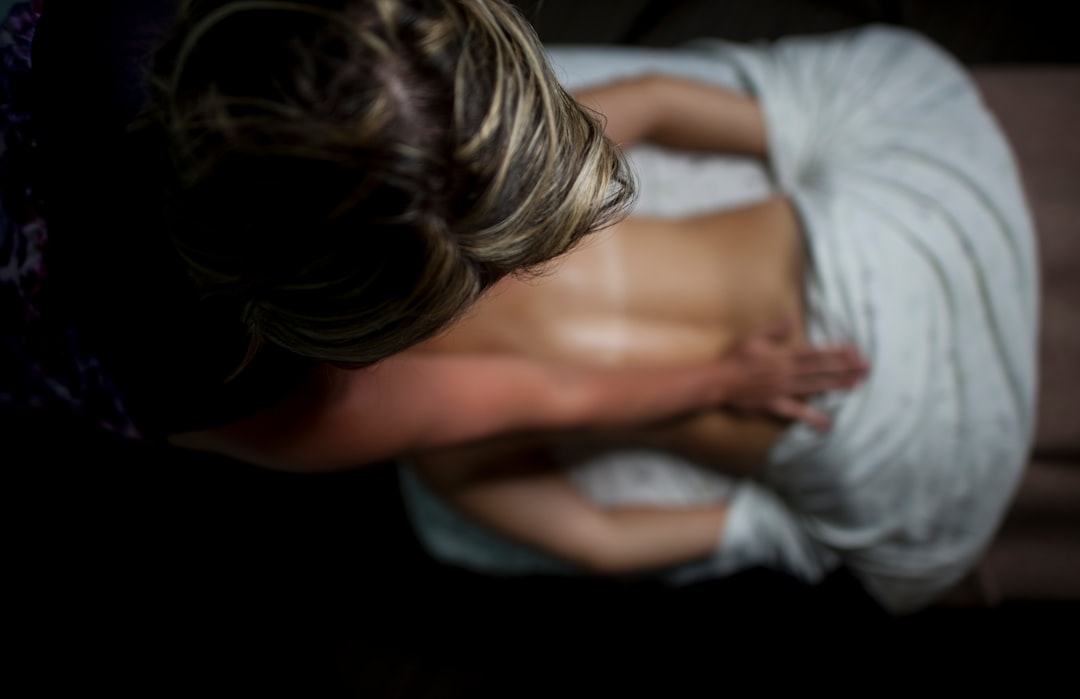
The Somali Health Boards Wellness Center in Seattle prioritizes cultural sensitivity and holistic well-being in massage therapy, integrating traditional healing with modern medical knowledge. Their specialized training addresses massage abuse concerns, focusing on client consent, boundaries, and ethical practices. By collaborating with local massage abuse attorneys Seattle WA, the center enhances safety standards, educates practitioners, and advocates for policies protecting vulnerable communities from abuse.
The wellness and safety of individuals receiving massage therapy is paramount, especially within culturally diverse communities like Seattle WA, where understanding cultural nuances is essential to prevent and address issues like massage abuse. Somali Health Boards Wellness Center stands as a beacon of hope in this regard, championing culturally-competent practices that prioritize client safety. This article delves into the critical role such centers play, exploring how they mitigate risks associated with massage therapy while fostering trust through specialized services tailored to diverse populations, including addressing issues that may be sensitive or overlooked. By examining these standards, we gain valuable insights into enhancing wellness center operations and ensuring justice for clients, assisted by massage abuse attorneys Seattle WA, when necessary.
Understanding Somali Health Boards' Wellness Center Philosophy

The Somali Health Boards Wellness Center stands as a beacon of cultural sensitivity and holistic well-being within the healthcare landscape. Founded on the principle of addressing physical and mental health with an understanding of diverse cultural backgrounds, the center offers a unique approach to wellness that respects and incorporates traditional healing practices alongside modern medical knowledge. This philosophical foundation is particularly significant in addressing issues such as massage abuse, where cultural competence plays a critical role in fostering trust and ensuring client safety.
At the heart of this philosophy lies an unwavering commitment to cultural sensitivity and respect for Somali communities’ diverse beliefs and practices. By employing therapists who share similar cultural backgrounds, the center fosters an environment where clients feel understood and at ease, reducing potential barriers to open communication about personal health concerns, including past traumas or experiences of massage abuse. This approach has proven effective in building trust and encouraging clients to seek help for issues that might otherwise go unaddressed.
Moreover, the Somali Health Boards Wellness Center’s philosophy emphasizes the interconnectedness of body, mind, and spirit, reflecting traditional Somali views on health and healing. Therapists are trained not only in conventional massage techniques but also in cultural nuances, allowing them to tailor treatments to individual needs while honoring cultural identity. This holistic perspective is key to preventing and addressing massage abuse, as it enables therapists to recognize and respond appropriately to signs of historical or ongoing trauma, ensuring safe and therapeutic interactions.
In the context of Seattle WA, where a diverse population coexists with a robust legal system including massage abuse attorneys, the center’s cultural-competency standards offer a valuable resource for promoting healing and justice. By prioritizing understanding and respect for Somali clients’ unique needs, the center not only enhances individual well-being but also contributes to building stronger, more inclusive communities where everyone can access safe and effective wellness services.
Cultural Sensitivity in Massage Therapy Practices
Somali Health Boards Wellness Center places a significant emphasis on cultural sensitivity within its massage therapy practices, reflecting the center’s commitment to providing safe and respectful care. Cultural competency in this context goes beyond mere awareness; it involves deeply understanding and respecting the unique beliefs, values, and practices of diverse communities, including Somalia’s rich cultural heritage. Massage therapists at the center undergo specialized training to recognize and navigate potential cultural barriers, ensuring that every client feels heard, understood, and cared for.
One critical aspect is recognizing the role of traditional healing practices alongside modern medical approaches. Many Somali individuals may have a preference for or reliance on traditional massage and holistic therapies, which often incorporate spiritual elements. Therapists at the center learn to integrate these cultural nuances into their practice, fostering an environment that acknowledges the interconnectedness of physical, mental, and spiritual well-being. For instance, understanding the significance of community support in Somali culture can lead to more inclusive sessions where family members or friends are encouraged to participate, strengthening the therapeutic bond.
Moreover, addressing historical trauma and its impact on present-day practices is essential. Somalia has endured complex political conflicts, which may manifest as intergenerational trauma among clients. Massage therapists are trained to create a safe space for clients to express any discomfort or sensitivity, ensuring that sessions remain culturally sensitive and avoid exacerbating past traumas. This approach not only promotes physical healing but also supports mental health and emotional well-being. In the event of massage abuse or misconduct, experienced attorneys in Seattle WA can offer guidance tailored to these unique cultural considerations, ensuring justice for affected individuals while respecting community contexts.
To maintain these high standards, regular workshops and continuing education are organized, focusing on topics like cross-cultural communication, understanding non-verbal cues from diverse backgrounds, and adapting massage techniques to cater to various needs. Such proactive measures empower therapists to provide exceptional care, fostering trust and confidence among clients. By prioritizing cultural sensitivity, Somali Health Boards Wellness Center sets an example for inclusive and compassionate healthcare practices in the community.
Legal Protections Against Massage Abuse in Seattle WA

The Somali Health Boards Wellness Center in Seattle, WA, stands as a beacon of culturally-competent care, particularly in addressing the sensitive issue of massage safety. This center recognizes the potential for massage abuse, a growing concern within the wellness industry. Legal protections against massage abuse are crucial to ensuring client safety and maintaining ethical standards. In Washington State, including Seattle, victims have legal avenues to seek justice and redress through specialized massage abuse attorneys Seattle WA who focus on holding perpetrators accountable.
Massage therapy, while therapeutic and beneficial for many, can be vulnerable to abusive practices such as sexual harassment or non-consensual touching. The center’s commitment to safety includes comprehensive training for its practitioners in consent management, boundary setting, and cultural sensitivity. By fostering a culture of awareness and accountability, the Somali Health Boards Wellness Center aims to protect clients from potential abuse. According to recent surveys, instances of massage abuse have been on the rise, highlighting the need for stringent regulations and legal protections.
In Seattle, where the wellness industry thrives, it’s imperative that both clients and practitioners are educated about their rights and responsibilities. Massage abuse attorneys Seattle WA play a pivotal role in empowering victims to take legal action against abusive practices while ensuring fair treatment during legal processes. The center encourages open dialogue about these issues, advocating for policies that prioritize client safety and well-being. This proactive approach not only protects individuals but also strengthens the reputation of the massage therapy community as a whole.
Establishing Safe Massage Standards and Protocols
The Somali Health Boards Wellness Center has recognized the critical importance of establishing safe massage standards and protocols within its practice, especially given the cultural nuances and potential for massage abuse. This proactive approach is not only a best practice but a necessary step to protect clients from harm and ensure the center’s reputation as a culturally-competent healthcare provider. The center’s commitment to safety includes comprehensive training for therapists on recognizing and preventing massage abuse, a key concern in an industry with historical instances of exploitation.
Massage therapy, while beneficial when performed correctly, carries risks if not conducted ethically. In recent years, the United States has seen an increase in reported cases of massage abuse, particularly targeting vulnerable populations. For instance, data from the National Human Trafficking Hotline indicates that massage parlors are frequently associated with human trafficking and sexual exploitation. This underscores the need for stringent safety protocols, especially in communities like Seattle, WA, where legal avenues such as massage abuse attorneys play a crucial role in addressing these issues. The Wellness Center takes a proactive stance by integrating ongoing training on ethical practices and client consent into its therapist education curriculum.
Therapists are taught to establish clear boundaries with clients, ensuring informed consent is obtained for every session. This includes educating them on cultural sensitivities, as certain practices may be considered inappropriate or invasive in different communities. For example, the center’s therapists learn to recognize and respect personal space and clothing preferences, ensuring every client feels safe and valued. Furthermore, the Wellness Center encourages open communication, empowering clients to voice any concerns or discomfort during their treatment. This multifaceted approach to safety not only protects clients but also cultivates a trustworthy environment where individuals can prioritize their well-being.
Training and Education for Preventing Misconduct

The Somali Health Boards Wellness Center places paramount importance on training and education as a cornerstone of its commitment to culturally-competent massage safety standards. This approach recognizes the potential for massage abuse, emphasizing prevention through knowledge and awareness. The center’s curriculum is meticulously designed to equip practitioners with the skills to recognize and deter inappropriate behavior, fostering an environment that prioritizes client safety and well-being.
Key elements of this training include case studies examining real-world scenarios of massage abuse, enabling professionals to develop empathetic responses. Additionally, workshops on ethical boundaries and professional conduct help therapists maintain appropriate distances while understanding cultural nuances. For instance, a study by the National Center for Complementary and Integrative Health (NCCIH) revealed that nearly 20% of massage clients have experienced some form of inappropriate behavior, underscoring the critical need for such education. The center also collaborates with local organizations, including massage abuse attorneys Seattle WA, to share insights and best practices, ensuring a comprehensive approach to protection.
Practical advice includes implementing regular refresher courses to keep practitioners updated on legal implications and ethical considerations. Encouraging open dialogue about boundaries and consent within the industry is another effective strategy. Moreover, utilizing feedback mechanisms allows clients to report any concerns confidentially, enabling prompt action. By integrating these educational initiatives, the Somali Health Boards Wellness Center aims to set a national standard for massage safety, contributing to a culture where client trust and respect are paramount.